A fun fact about sound in space is that there is no sound. Since space has no atmosphere, sound has no way to travel and be heard. So, space is completely silent. Astronauts use radios to communicate, because radio waves are still able to be sent and received. There are also many moons in space that orbit planets. Jupiter has 79 moons! We first landed on our moon on July 16, 1969. Scientists believe that the moon was originally a part of Earth at one point.
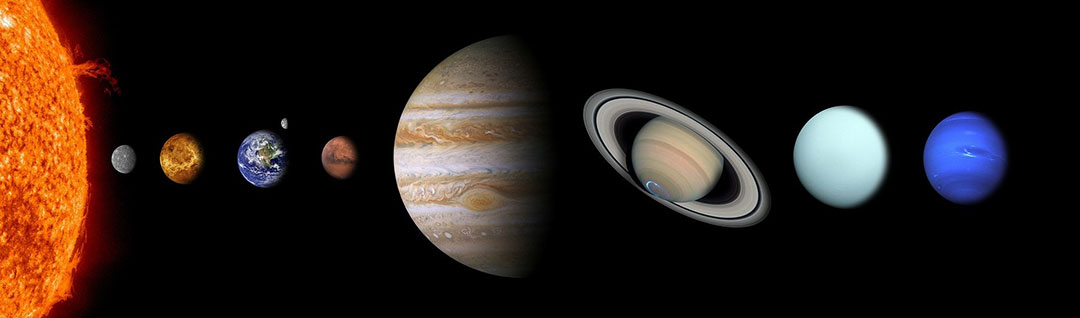
There are 8 planets in our solar system. These include Mercury, Venus, Earth, Mars, Jupiter, Sautrn, Uranus, and Neptune. Pluto, which used to be a planet, is now a dwarf planet. Venus is the hottest planet in our solar system with an average surface temperature of 450° C, or 842° F. However, Venus is not the closest planet to the Sun. Mercury, the first planet in the solar system, is closer to the sun, but has no atmosphere to regulate temperature. So, its temperature is very inconsistent. Jupiter and Saturn are gas giants; they are made of gas and are the largest planets. Saturn's rings are made up of ice and other debris. Uranus and Neptune are Ice Giants, made of mostly ice.
Of the planets in our solar system, other than Earth, Mars is most likely to be able to sustain life. In 1986, NASA found what they thought might be fossils of microscopic living things in a rock brought from the red planet. Mars is the 4th planet from the sun, after Earth and before Jupiter. It is nicknamed the red planet because of it's reddish hue. The red comes from oxidized iron in the soil.
There are lots of stars in the universe. The human eye is only able to see about 5,000 stars. The enormous size of space makes it impossible to count the exact amount of stars we have. Currently, scientists and astronomers use the number of stars within our galaxy to estimate. The number is between 200-400 billion stars and there are estimated to be billions of galaxies. This makes the exact number of stars impossible to count.
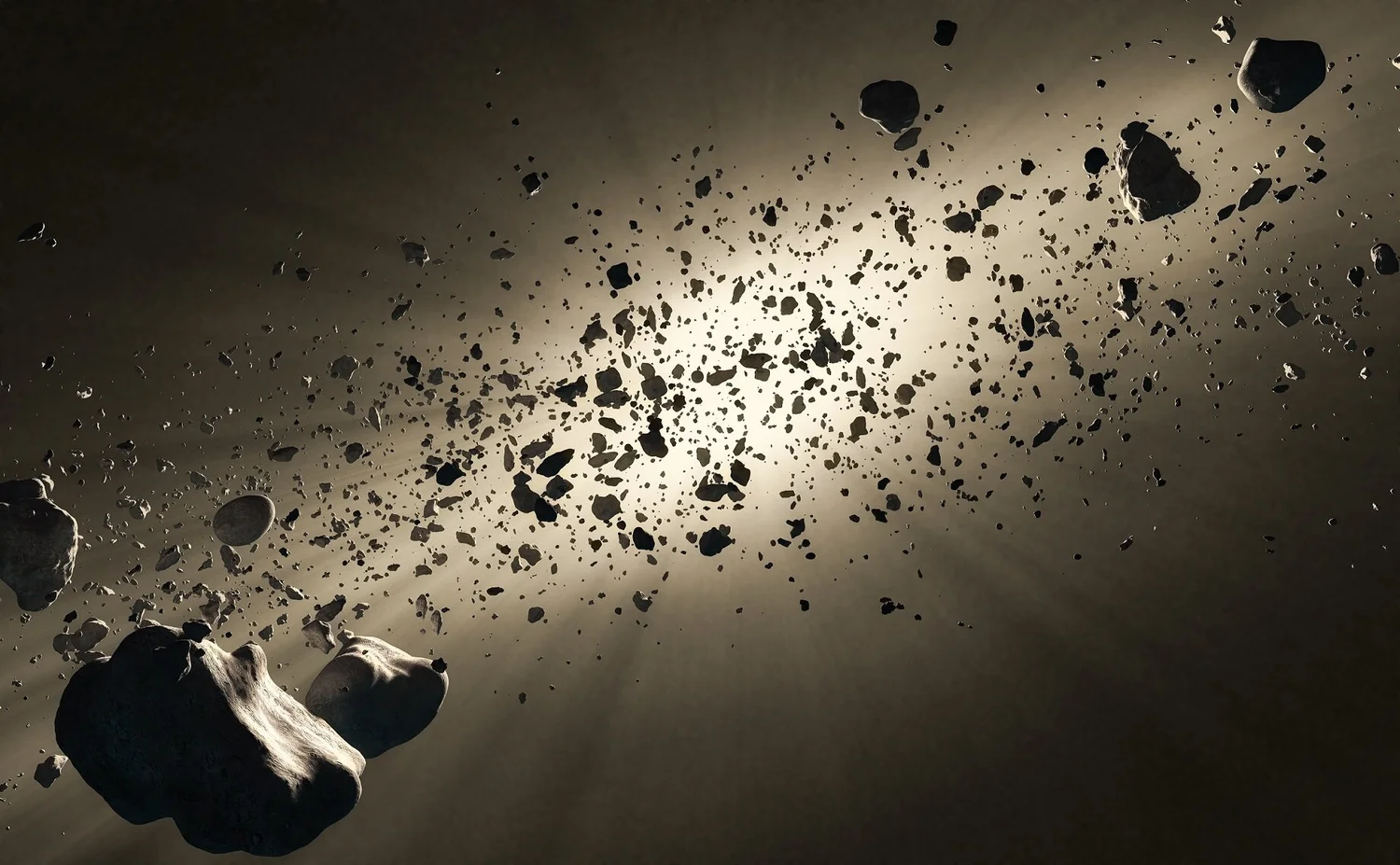
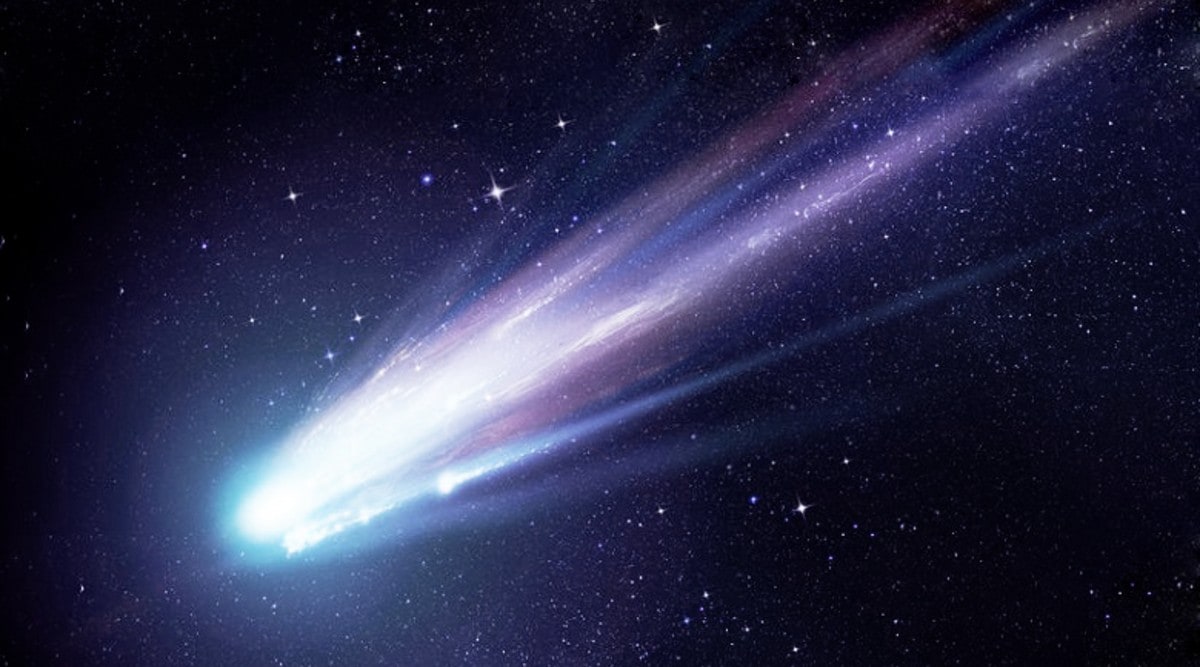
There are also many asteroids and comets in our solar system. There is an asteroid belt between Jupiter and Mars. It separates the 4 closest planets to the sun from the 4 farthest planets from the sun. A famous comet is Halley's Comet. Halley's Comet won’t orbit past Earth again until 2061. This comet was discovered in 1705 by Edmond Halley, and was last seen in 1986. It is only seen once every 75 to 76 years.
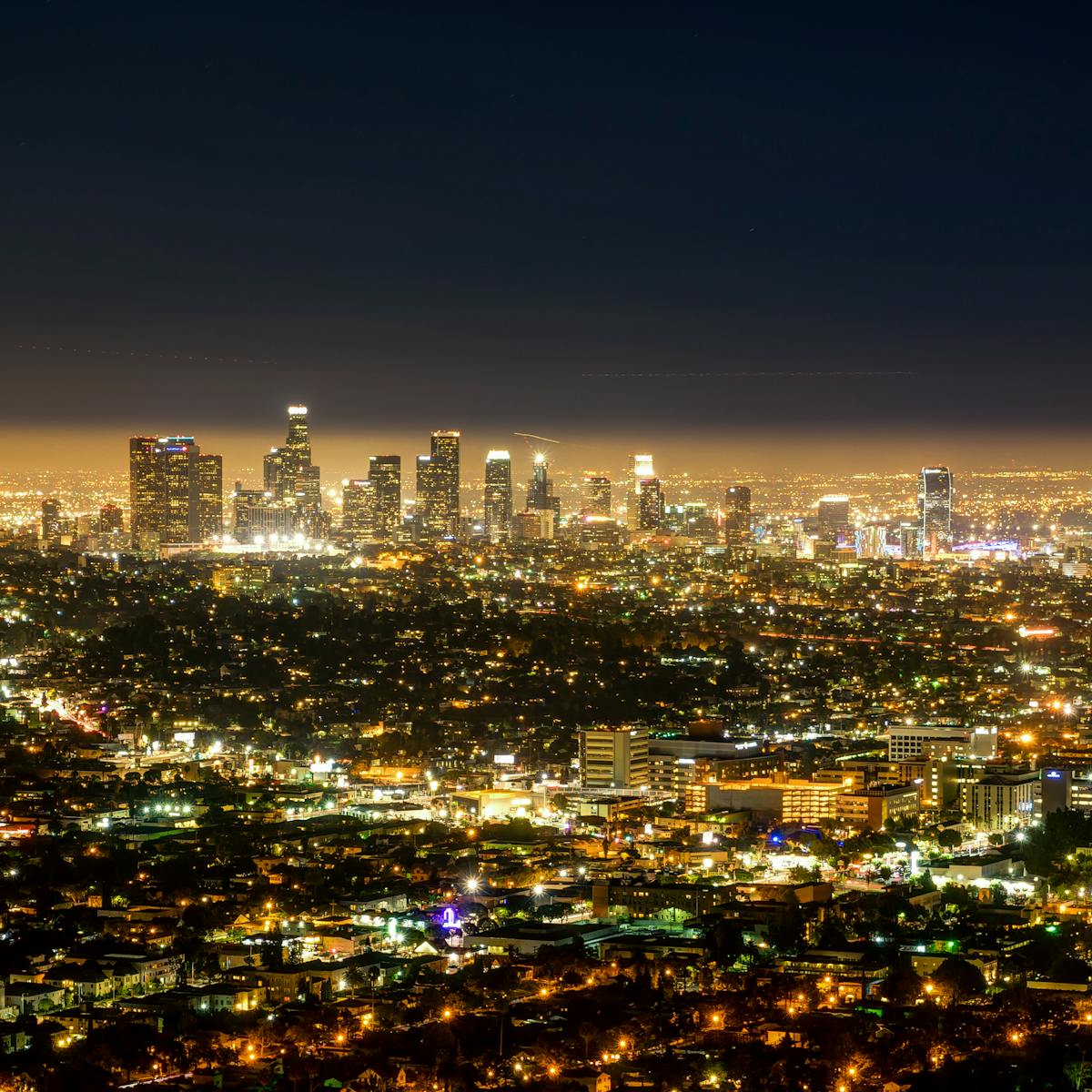
One issue that affects the ability to see space from where we are on Earth is light pollution. Light pollution is a problem that causes us to not be able to see the stars and night sky. Light pollution is when there is extra, unnecessary light. An example is city lights, which wash out the night sky, and interfere with astronomical research. We can do our part to help reduce light pollution by switching to LED lightbulbs, turning off lights that we aren't using, considering replacing outdoor lightbulbs with ones that are inside, and by installing dimmers, motion sensors, and timers to reduce illumination levels.