Sharks: Sharks are a type of fish. Some of the most common species include reef sharks, Great White Sharks, and Great Hammerhead sharks. They use little dots on their nose area, called ampullae of lorenzini, to sense electric currents in the water and the electric fields generated by their prey. Most sharks also have very good eyesight, allowing them to see prey. Sharks also have no bones, as they are made of cartilage instead. Despite this, sharks can still fossilize because they put calcium into their cartilage to strengthen it. Contrary to their smooth appearances, sharks have skin that feels like sandpaper. When flipped upside down, sharks can go into a trance-like state or become unconscious.
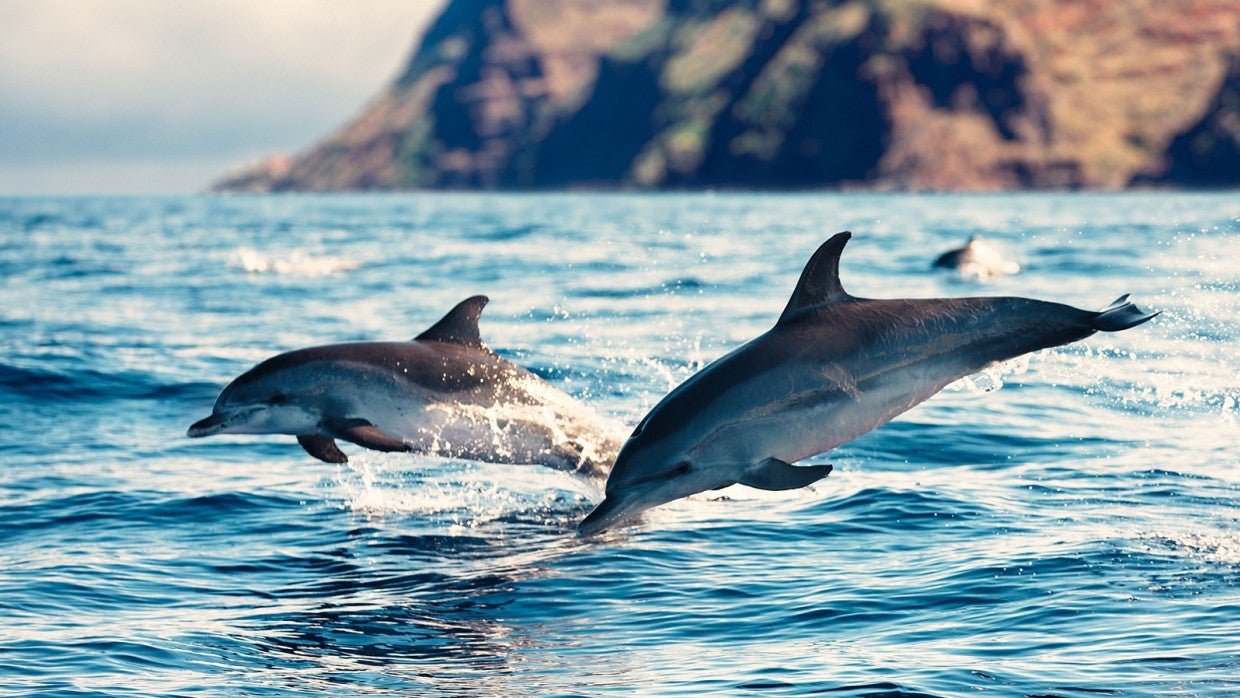
Dolphins: Dolphins are a type of marine mammal, like whales. Some of the most common types of Dolphin include Bottlenose Dolphins and Spinner Dolphins. Dolphins use echolocation to find food and other objects in the ocean. Echolocation is when animals use high pitched squeaks or clicks, which bounce off of objects and back to the sender. Dolphins are not only found in the ocean, but can also be found in freshwater. Dolphins swallow fish head first so the spine does not get caught in their throats. They also make bubbles to herd prey to the surface of the ocean. Dolphins are very chatty, and can turn off half their brain! Dolphins are very intelligent animals.
Fish: There are over 33,000 types of fish, the largest fish being the whale shark. Fish don't have eyelids, so when they sleep, they just float and rest. Fish also can't chew food or else they will suffocate. Fish are found all over the ocean. They usually swim in groups, called schools. They are also found in freshwater, like rivers and lakes. Some freshwater fish include salmon and trout. Sharks are also types of fish. Dolphins, whales, and orcas are not, however.
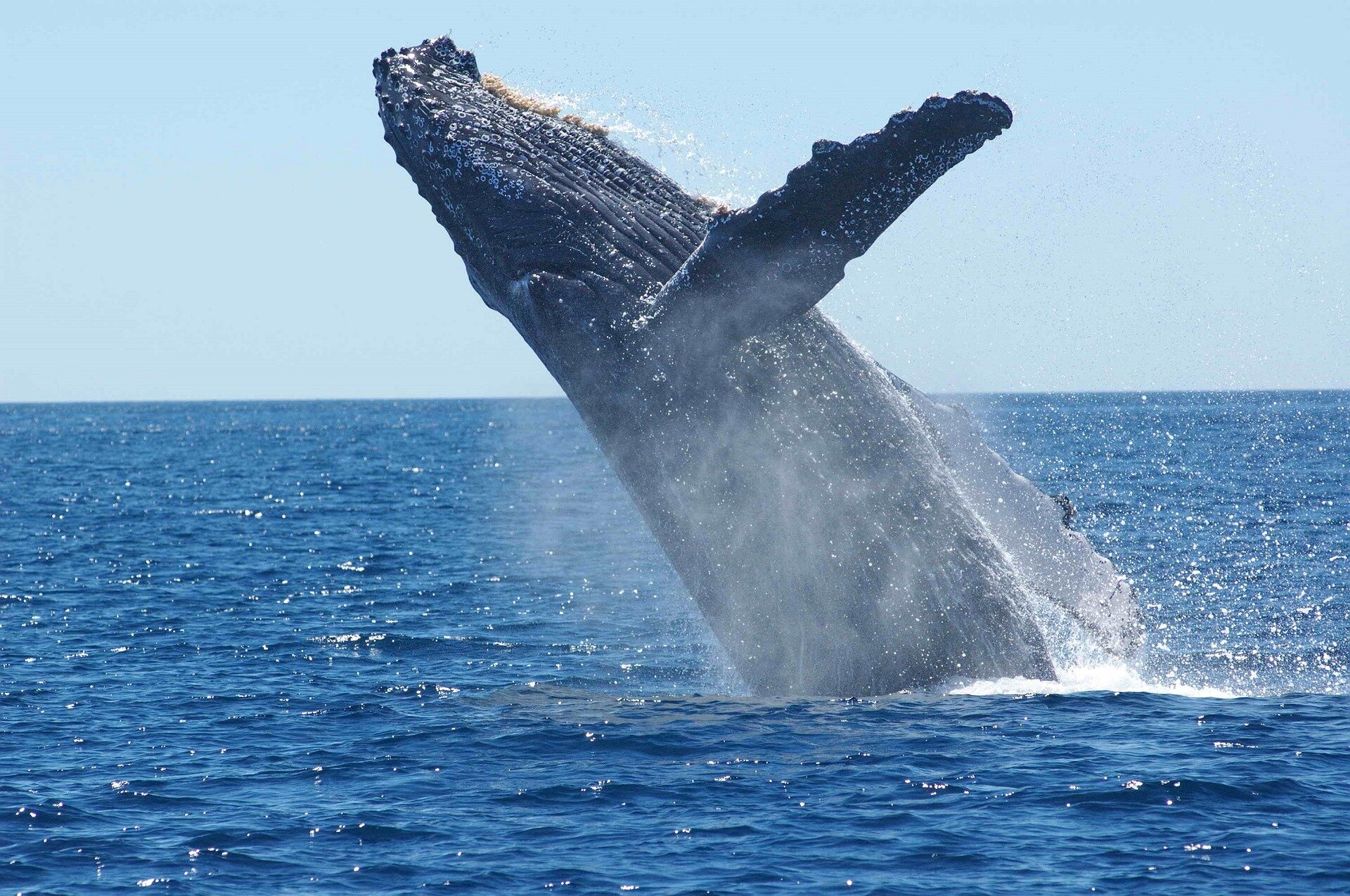
Whales: Whales are marine mammals found in the ocean. The largest animal on the Earth is a whale, the Blue Whale. There are two types of whales, baleen whales, and toothed whales. Baleen whales hold water in their mouths, and filter the water out. Any food like krill and plankton will get caught in the baleen. Toothed whales eat fish, but their teeth are used to hold and capture the fish, and not chew them. There are around 90 types of whales. Whales also include dolphins, orcas, and porpoises.
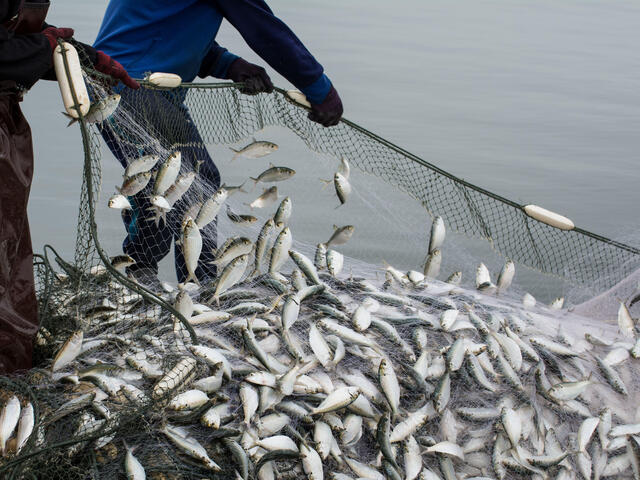
Overfishing: There are several issues in the ocean. One of these being overfishing. Overfishing is when fishermen catch too many fish at once, harming the fish populations and making it difficult to recover. Many times, there is too much fish, some unwanted, so they are discarded. We can help by limiting the catch number that we fish. This helps the populations of the fish have time to recover. We can also be smart consumers. This means that we need to be smart about how we buy our fish. The more expensive fish is, the more likely their population is low. We can eat a different type of fish that has a larger population, and is easier to find.
Ocean Pollution: Ocean pollution is caused by microplastics in the ocean, trash that is littered on beaches, and garbage that is swept out to sea. The North Pacific ocean is where ocean pollution is most common. This is because this is where the Great Pacific Garbage Patch is located. Marine life might mistake the trash and garbage for food. They might get stuck in the trash and drown, or eat it and get severely ill or even die. There is a lot of plastic in the ocean, and fish might eat microplastics that are broken down into the ocean, and people might eat those fish and ingest plastics into their bodies. We can help by not littering, picking up trash on beaches, recycling all of our recyclable materials, not dumping chemicals into the ocean, and not dumping trash into the ocean.